
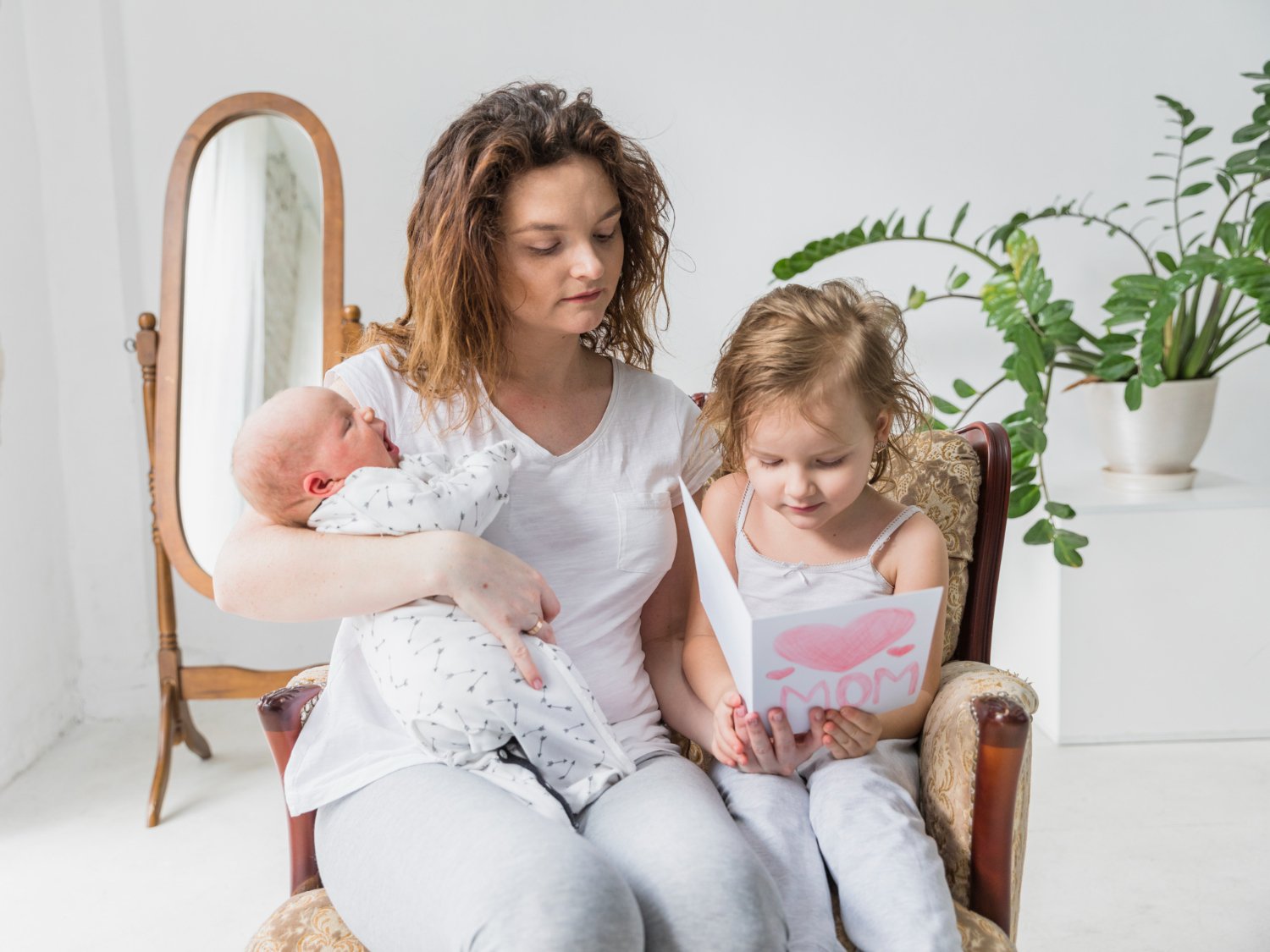
Motherhood is often described as one of the most powerful experiences in a woman’s life. From my personal perspective and from conversations with many mothers around me, I’ve noticed that motherhood changes women in ways that go far beyond raising children. It reshapes priorities, emotions, relationships, and even personal identity. Each stage of life brings a different perspective on parenting, and the lessons learned along the way create a journey that feels both challenging and deeply meaningful.
What fascinates me most is how the experience of motherhood evolves as women move through different stages of life. A young mother may face one set of challenges, while a woman who becomes a parent later in life often approaches the role with a completely different mindset. These stages show how motherhood isn’t a single experience but a continuous process of personal growth and transformation.
Early Adulthood and First-Time Motherhood
For many women, motherhood begins during early adulthood. This stage is often filled with excitement, uncertainty, and emotional intensity. Becoming a mother for the first time can feel overwhelming because life changes almost overnight.
From what I have seen and heard from young mothers, the transition into motherhood often shifts personal priorities dramatically. Career plans, social life, and personal goals suddenly share space with the responsibility of caring for a new human being. Sleep schedules change, routines disappear, and everything revolves around the baby.
At this stage, women often develop strong emotional resilience. They learn patience, adaptability, and the ability to manage stress in ways they may never have experienced before. Even though the learning curve can feel steep, many mothers say this period helps them grow into a stronger and more capable version of themselves.
Another noticeable shift is how relationships evolve. Partnerships with spouses or partners often deepen as both people adjust to the shared responsibility of raising a child. At the same time, support from family and friends becomes more valuable than ever.
Motherhood in the Late 20s and 30s
Women who become mothers in their late 20s or 30s often enter this phase with a little more life experience. In my view, this stage tends to bring a balance between personal identity and parenting responsibilities.
By this point, many women have established careers or personal goals, so motherhood becomes part of an already developed lifestyle rather than a complete reset. This can create a different approach to parenting, where confidence and planning play a larger role.
Mothers at this stage often show greater emotional stability and long-term thinking when making decisions for their children. Instead of reacting purely from instinct, they tend to evaluate options carefully and plan for the future.
However, this stage also introduces new pressures. Many women face the challenge of balancing career ambitions with parenting duties. Managing work schedules, childcare, and family time requires strong organizational skills and clear priorities.
Despite these challenges, many mothers say this stage feels empowering because they have a clearer sense of who they are as individuals while raising their children.
Motherhood in the 40s
Motherhood in the 40s is becoming more common in modern society. Women who begin parenting at this stage often bring years of life experience, emotional maturity, and personal stability into the role.
From what I have observed, these mothers often approach parenting with a calm and thoughtful mindset. They tend to focus less on societal expectations and more on what works best for their family.
One of the biggest advantages of motherhood at this stage is emotional patience. Life experiences have already taught many lessons about handling stress, solving problems, and navigating relationships. This maturity can make parenting feel more manageable.
At the same time, this stage can also present unique challenges. Energy levels may not be the same as in earlier years, and balancing parenting with other responsibilities such as careers or caring for aging parents can be demanding.
Still, many women describe motherhood in their 40s as deeply fulfilling because it arrives at a time when they feel emotionally ready and confident.
How Motherhood Changes Identity Over Time
One of the most profound shifts that occurs through motherhood is the transformation of personal identity. Before becoming a parent, a woman’s identity may revolve around career goals, hobbies, friendships, or personal ambitions.
Once motherhood begins, a new dimension of identity develops. The role of being a parent becomes part of how women see themselves and how they make decisions in daily life.
Over time, many mothers find that their sense of purpose becomes closely connected to their children’s well-being and growth. This doesn’t mean personal dreams disappear, but they often evolve in ways that align with family priorities.
Another noticeable change is the way women view time and responsibility. Moments that once seemed ordinary—such as bedtime stories or family meals—can suddenly feel deeply meaningful.
This shift shows that motherhood isn’t just about raising children. It is also about the long-term personal transformation that happens within the mother herself.
Emotional Growth Through Motherhood
A powerful effect of motherhood is the emotional growth that develops over time. Many women describe becoming more compassionate, patient, and empathetic after becoming parents.
When a child depends on you for everything, your emotional awareness naturally expands. Small victories, such as a child’s first steps or first words, bring an intense sense of pride and joy.
At the same time, challenges like sleepless nights, worries about health, or balancing responsibilities can test emotional strength. These moments often lead to stronger coping skills and greater emotional resilience.
Through these experiences, motherhood often teaches the importance of patience, adaptability, and unconditional love.
Social and Relationship Changes
Motherhood also reshapes a woman’s social life and relationships. In many cases, friendships and family connections take on new meaning.
Mothers often build connections with other parents who are going through similar experiences. These relationships can provide emotional support, shared advice, and a sense of community.
Family relationships may also grow stronger. Grandparents, siblings, and relatives often become more involved, creating a broader support system for raising children.
However, motherhood can sometimes lead to changes in social priorities. Activities that once filled weekends may be replaced by family events, school activities, or quiet evenings at home.
Despite these shifts, many women feel that their relationships become more meaningful and purpose-driven after becoming mothers.
The Long-Term Impact of Motherhood
As children grow older, the role of motherhood continues to evolve. What begins as constant physical care eventually turns into guidance, mentorship, and emotional support.
Many mothers say that watching their children grow into independent individuals is one of the most rewarding parts of the entire parenting journey.
Even after children become adults, the influence of motherhood remains strong. The lessons learned, memories created, and bonds formed during the early years often last a lifetime.
In the end, motherhood shapes women in ways that are both visible and deeply personal. It changes perspectives, strengthens emotional depth, and often brings a lasting sense of purpose and connection.
Final Thoughts
From my personal observations and experiences shared by many mothers, it is clear that motherhood changes women at every stage of life. Whether it begins in early adulthood, the 30s, or even later, the journey introduces new responsibilities, emotional growth, and meaningful relationships.
Each stage brings its own lessons, challenges, and rewards. Over time, motherhood becomes more than a role—it becomes a powerful life experience that shapes identity, priorities, and emotional strength in ways that continue to evolve throughout a woman’s life.
AI Disclaimer: This article was created with the assistance of artificial intelligence technology and edited to ensure clarity, readability, and helpful information for readers. While the content reflects general experiences and perspectives about motherhood, it should be viewed as informational material rather than professional advice.